

The R100,000 Handshake: Is "Indaba Season" Failing the Mining Startup?
Every February, the mining world descends on Cape Town. The suits are pressed, the stalls are glossy, and the speeches are long and fancy. For the Majors and the Ministers, the Mining Indaba is a necessary ritual. It is where policy is signaled, global relationships are maintained, and ESG frameworks are debated over champagne.
But for the Mining Startup, the permit holder, or the entrepreneur trying to get their first excavator on site? I am honestly not so sure anymore.
Let’s look at the hard numbers, because as operators, that’s all that matters. By the time you pay for the delegate ticket, the flights, the inflated accommodation, and the dinners, a startup founder is easily down R50,000 to R100,000.
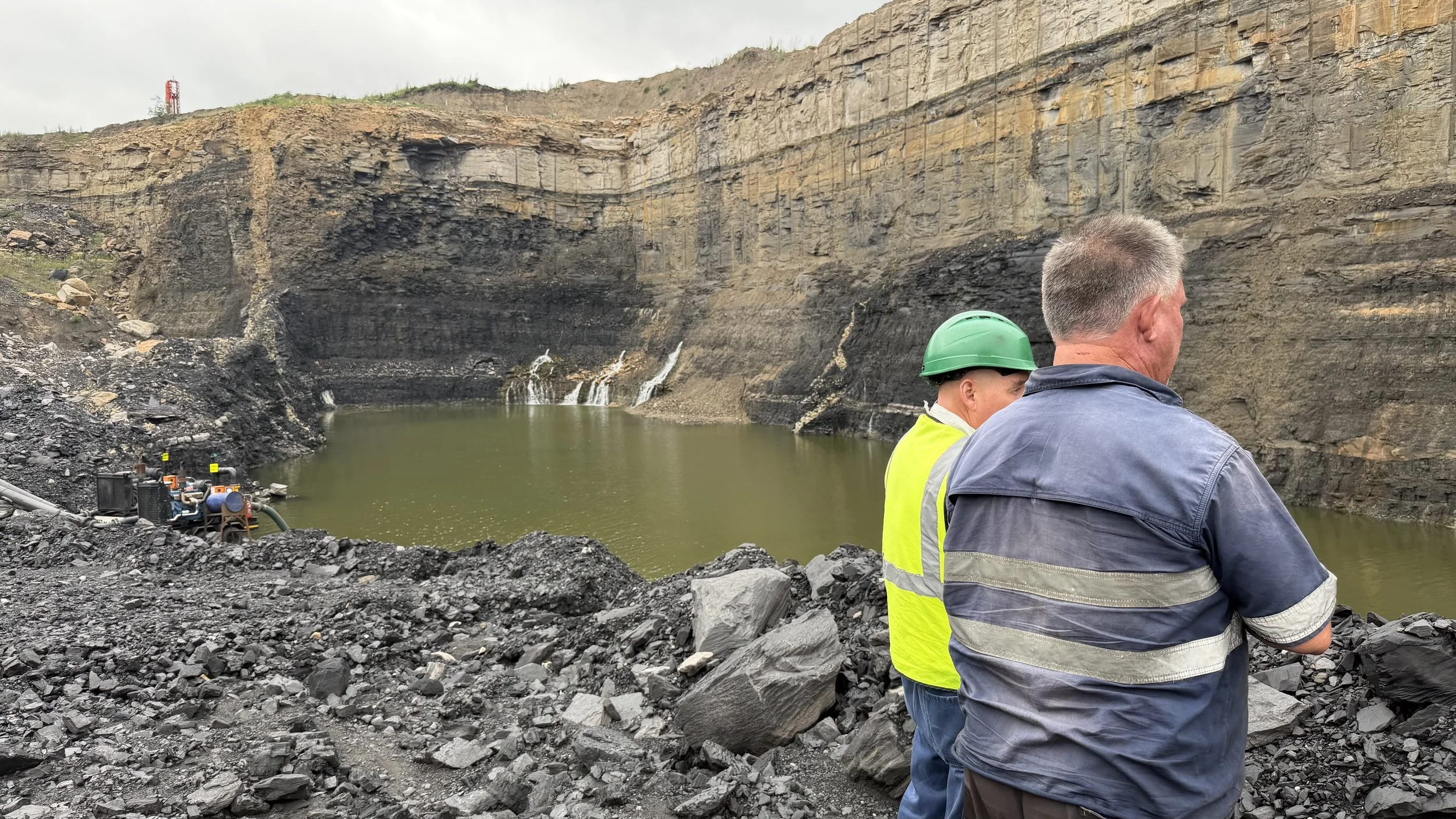
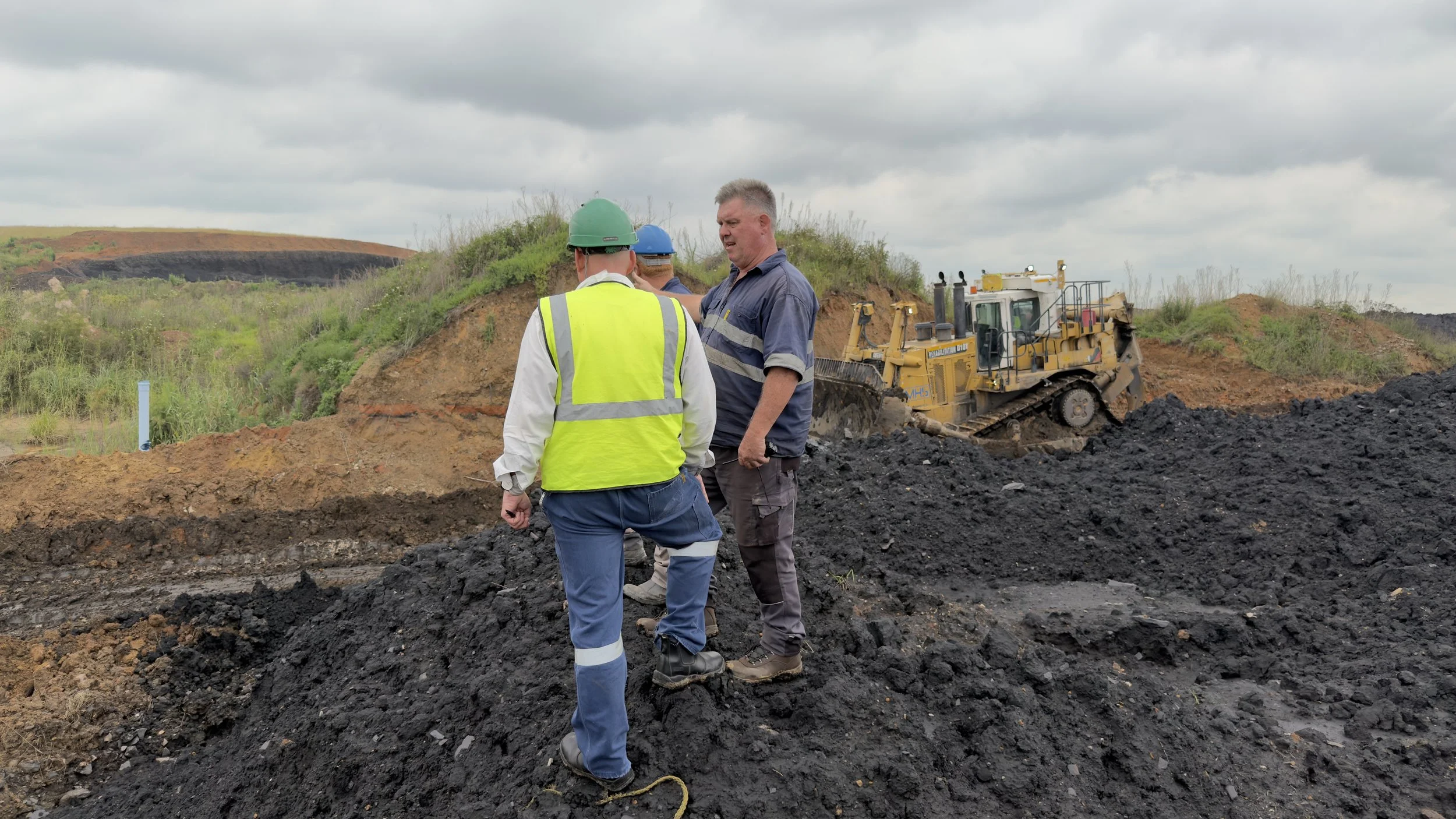
For a bootstrapped junior miner struggling to buy diesel for the week, or fighting to get Transnet to confirm a train slot—forcing them to truck coal to Richards Bay and erase millions in margins—that capital allocation is massive. It is almost comical. We are essentially taking operational capital, money that should be digging holes, and spending it on a lottery ticket in a convention center.
The "Talk Shop" Trap
The definition of the word Indaba in Zulu is "News" or "Conference." By its very name, it claims to be nothing more than a discussion platform. And to be fair, it delivers on that promise perfectly. The Indaba is heavy on high-level strategy and broad narratives. But it is often light on the two things a mining startup actually needs to survive: actionable technical mentorship on how to optimize a wash plant, and immediate deal execution—someone actually signing the offtake cheque today.
We tend to measure the success of these events by attendance numbers and ministerial presence. We should be measuring them by capital deployed to mining startups and the tangible economic impact on the ground. If we spend four days talking, but no new holes are dug and no new funding flows to the "Starter Pits" held by previously disadvantaged operators, was it a success? Or was it just a holiday?
The Blueprint for Change: Looking at Botswana
We do not need to invent a solution from scratch. Sometimes, you just need to look across the border to see who is getting it right. While we are hosting talk shops, our neighbors in Botswana are building execution engines.
I’ve been looking at the IDEAL Summit 2026, hosted by the Square Gate Group this April at the Royal Aria Conference Centre in Botswana. They have realized that the market reality of 2026 demands transaction-grade execution rather than just more awareness campaigns.
Here is why their model works, and what South Africa needs to learn from it.
First, they built the architecture around capital, not speakers. They explicitly state that their goal is to move beyond conference culture and into capital execution. A mining event for startups should not be about who holds the microphone; it should be about who holds the pen to sign the deal.
They also understand the value of the "Closed Door." The summit begins with an invitation-only investor roundtable to align capital around a pre-vetted pipeline. This isn't a public gallery; it’s a boardroom. Startups don't need an audience of thousands; they need a focused room of five people who can actually write the cheque.
But the part that really caught my attention was the "Deal Sprint." The IDEAL Summit utilizes a "Royal Aria Mandate Bell" to log real-time commitments. More importantly, they enforce a 21-Day Deal Sprint—a structured post-event governance mechanism to ensure that conversations convert into contracts. This is critical because it stops the "ghosting" that happens after every major conference. It tracks the conversion of handshakes into funding.
They even utilize a "One Slide, One Ask" format to eliminate corporate fog. Startups need to stop pitching 40-page decks. We need platforms that force clarity: What do you have? What do you need? What is the return?
The Vision for a "Transvaal Platform"
At Transvaal VC, we are tired of seeing good rocks go unfunded because the system is designed for news rather than deals. We need a South African equivalent of this execution-focused model. We need a mining startup summit that bans the political speeches—respectfully, we need to work, not listen—and centers the "Starter Pit."
We need to focus exclusively on projects requiring that critical R5m to R50m to unlock cash flow. Like the team in Botswana, we must convert "Local Empowerment" into an investable asset class, not a CSR line item. Success must be measured in Rands deployed, not tickets sold.
My Advice to Startups in 2026
Until that platform exists, protect your capital. Be ruthless with your time and money. If you are going to the Mining Indaba to listen to speeches, stay home, save the R50,000, and use it to fix your crusher. If you are going to hunt, have your targets locked before you board the plane.
Don't sell your soul for a VIP badge. Sell your rocks. The era of the mega-conference is fading. The era of the deal sprint is here. Let’s get to work.
